Resources from Past Workshops
 2026
2026 Ages and Stages of Life
Key events and resources from the year 2026.
 2025
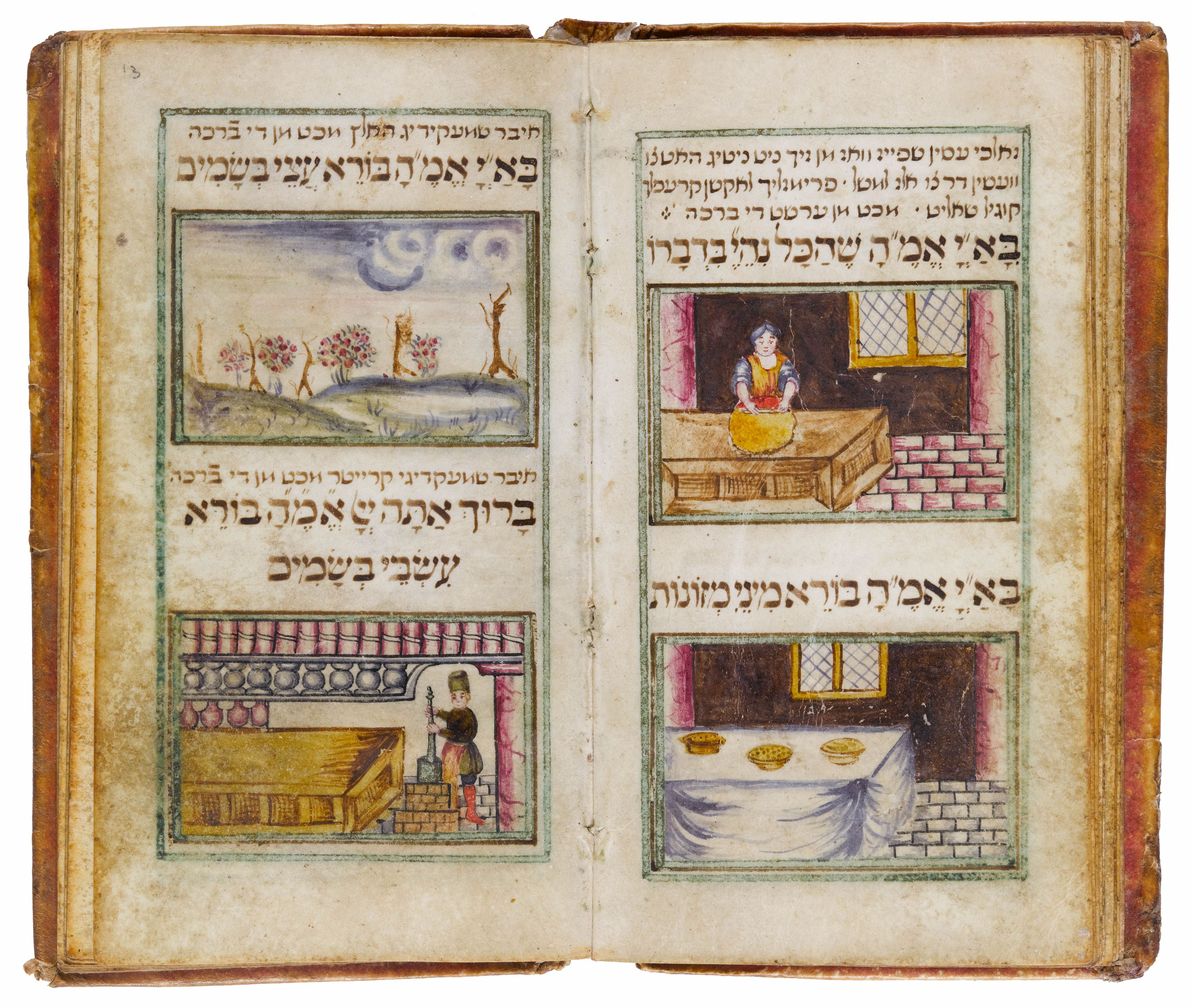
2025 Cultures of Food
Key events and resources from the year 2025.
 2024
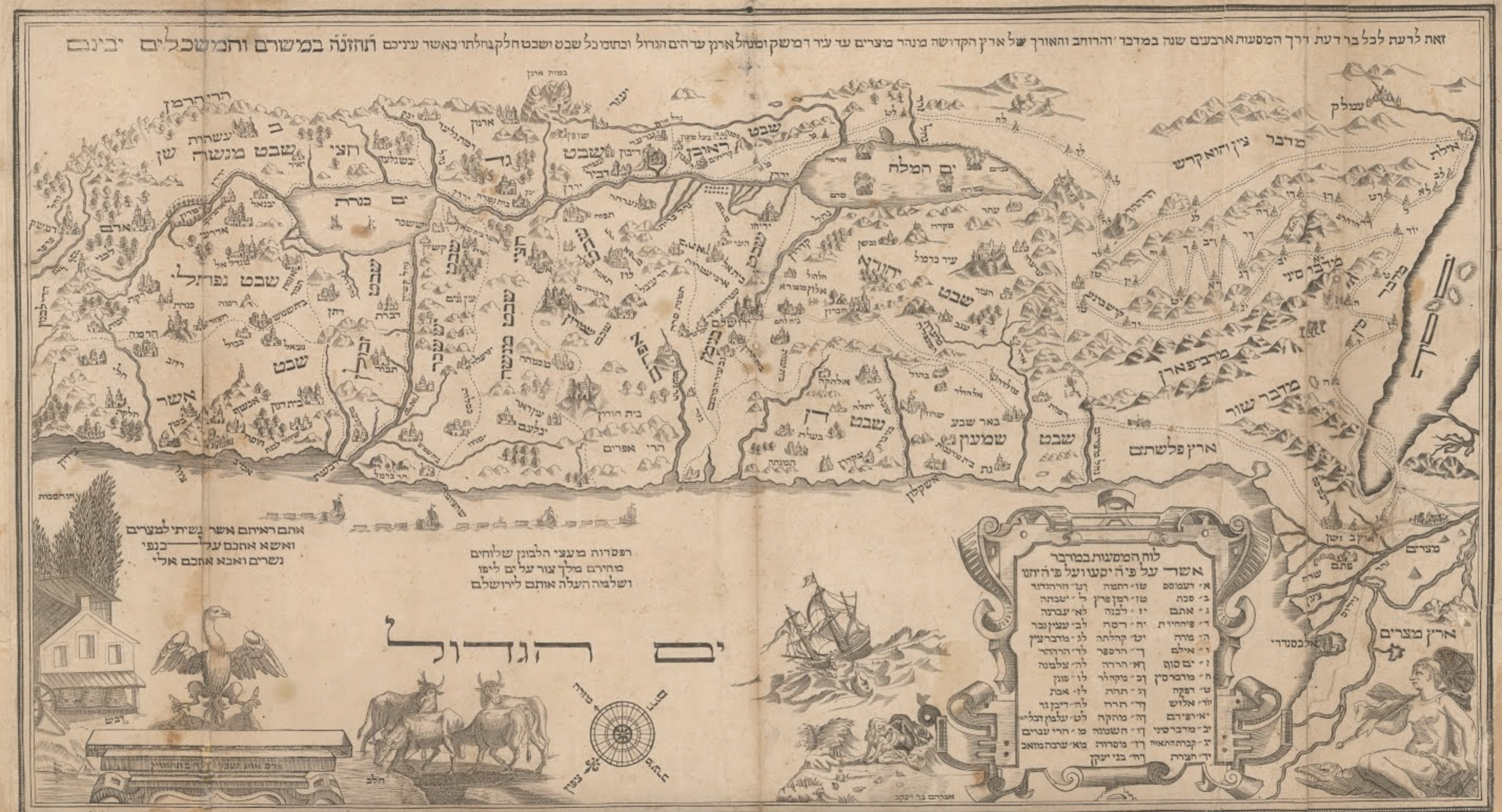
2024 The Land of Israel
Key events and resources from the year 2024.
 2023
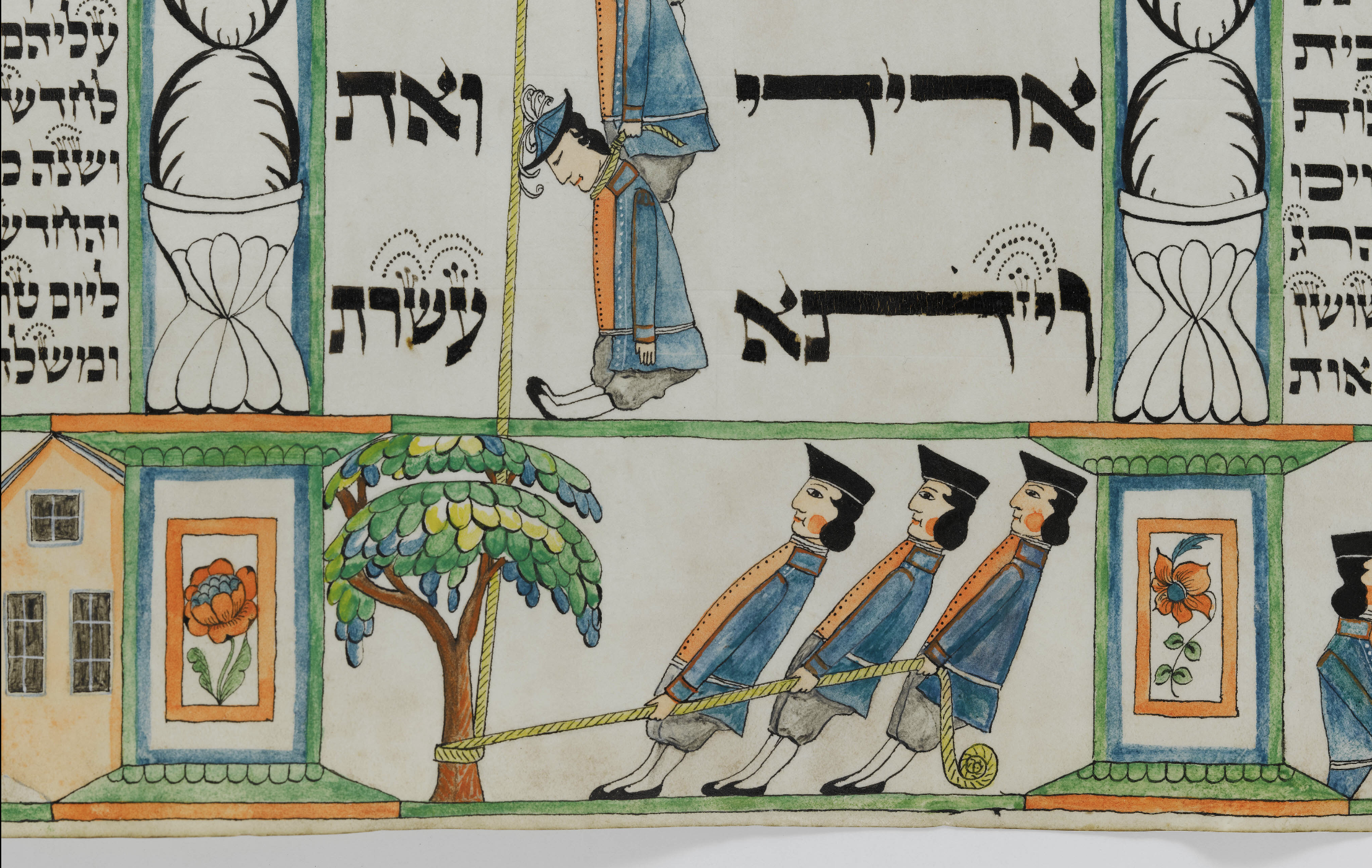
2023 Fun, Leisure, and Play
Key events and resources from the year 2023.
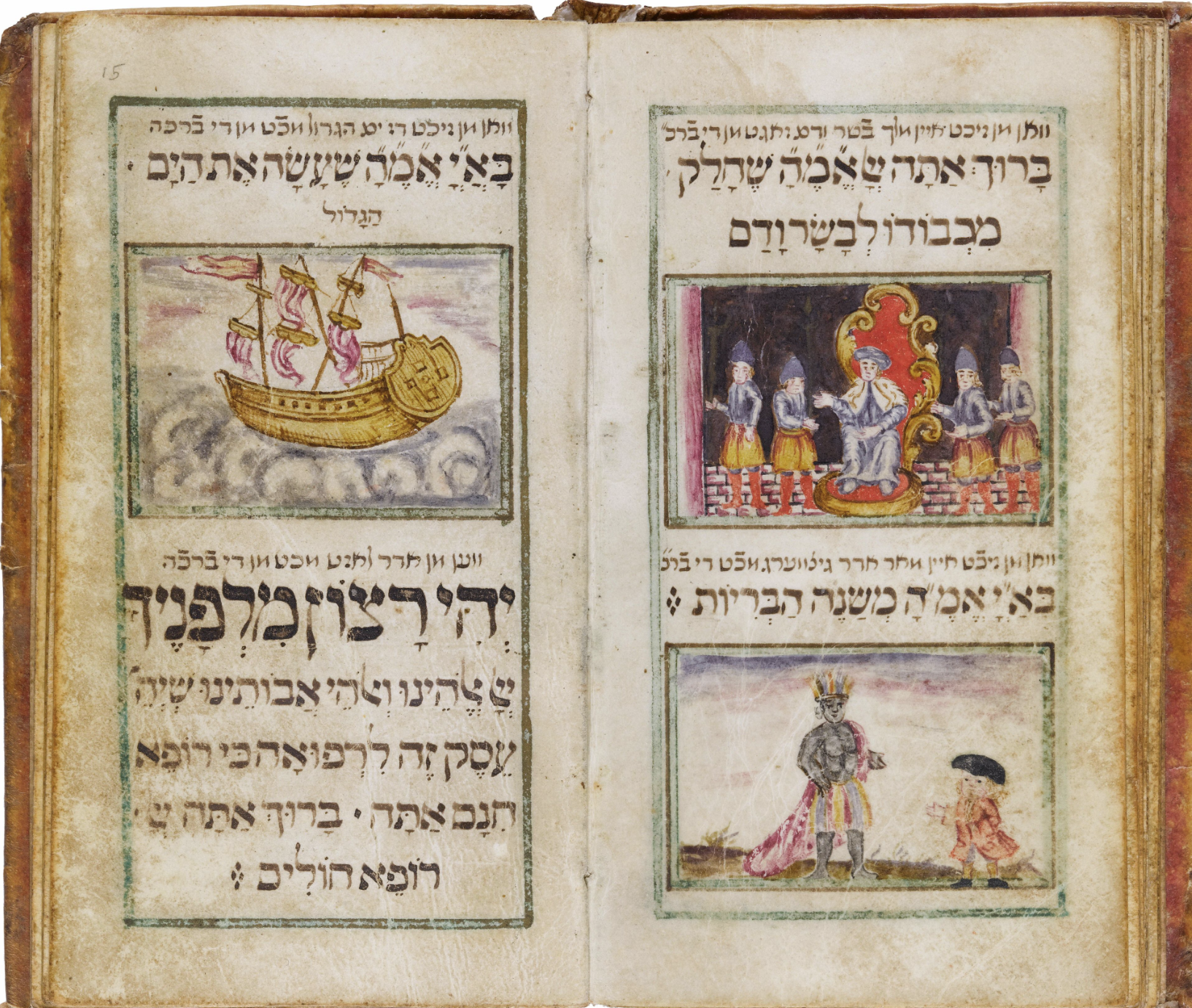 2022
2022 Jewish Mobility Reconsidered: People, Objects, & Information in Motion
Key events and resources from the year 2022.
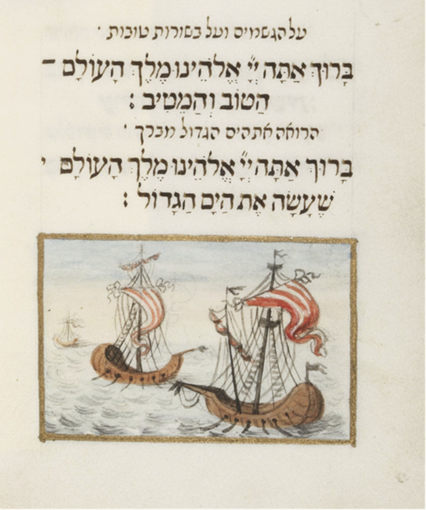 2021
2021 Health and Wellbeing in the Jewish Experience
Top resources and milestones from 2021.
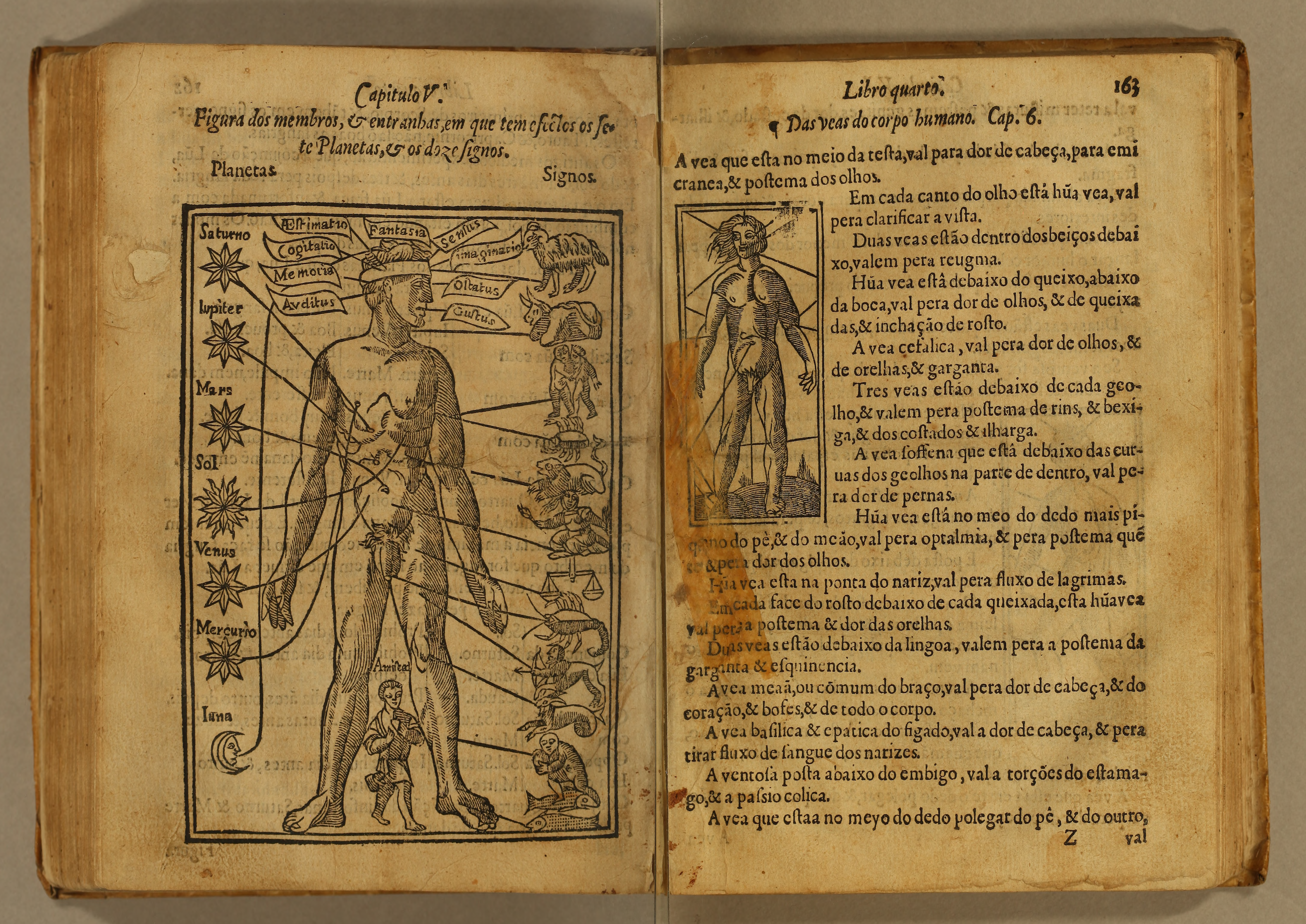 2019
2019 Senses and Perceptions
This year's theme, 'Senses and Perceptions,' encourages participants to historicize and theorize a domain of human experience that is often uncritically naturalized.
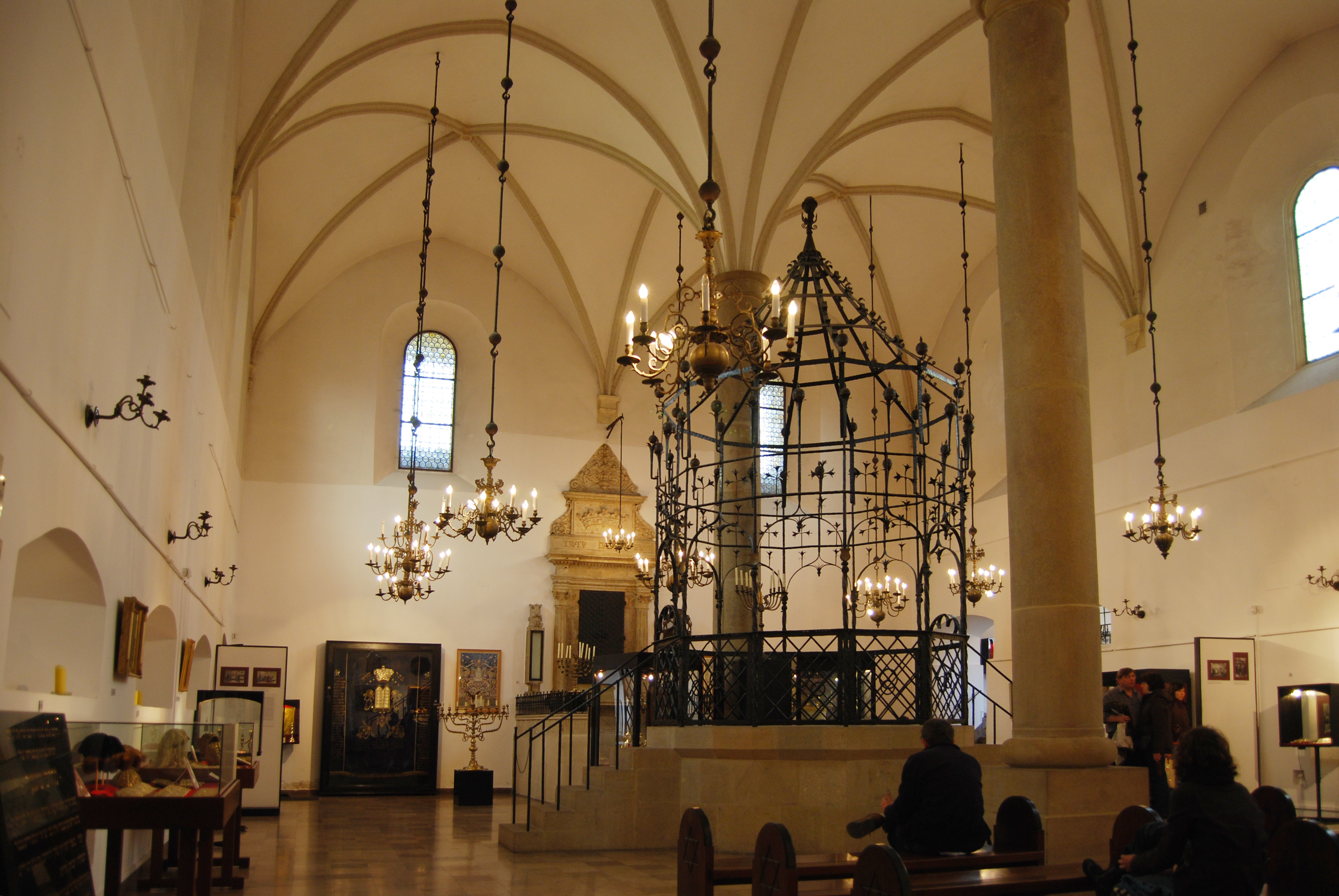 2018
2018 Space and Identity
No description available.
 2017
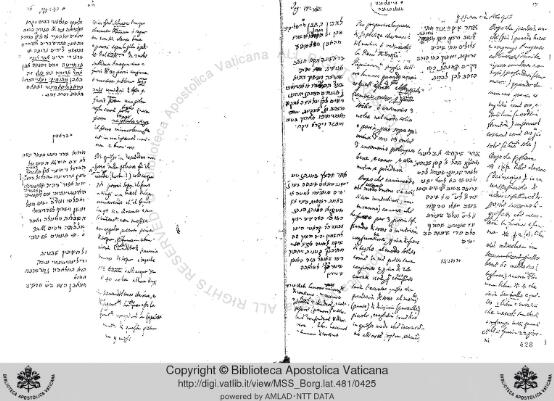
2017 Cultures of Record Keeping: Creation, Preservation, and Use in the Early Modern Period
The 2017 Early Modern Workshop's theme was "Cultures of Record Keeping: Creation, Preservation, and Use in the Early Modern Period." The workshop focused on the creation, preservation, organization, collection, translation, and use of records, evidence, and information.
 2016
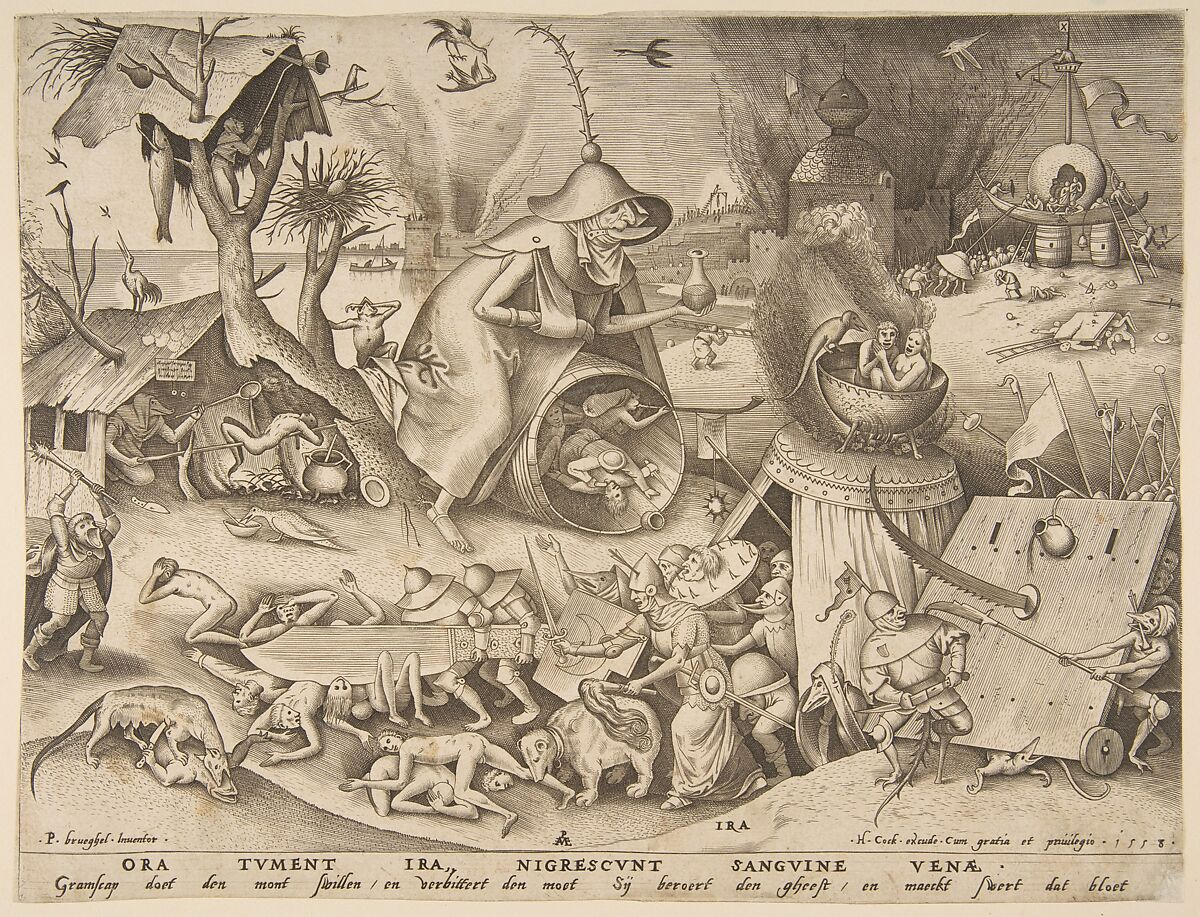
2016 History of Emotions/Emotions in History
Alongside earlier “turns” such as the linguistic and the cultural, an “emotional turn” has provided historians with a fresh perspective to consider the past. Emotion structures human experience. But emotions are shaped by languages of expression that can have ramifications for human thought and behavior.
 2015
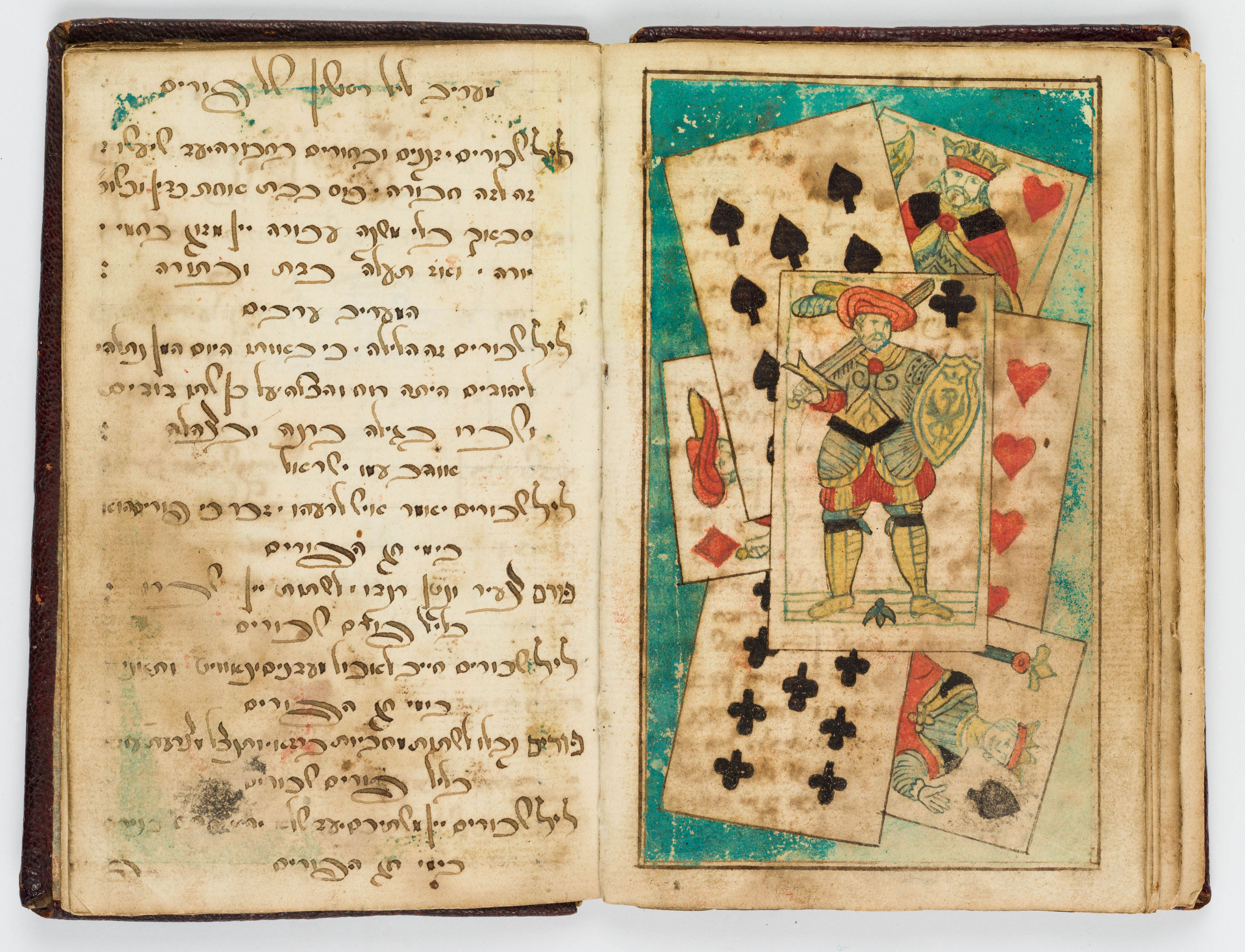
2015 Continuity and Change in the Jewish Communities of the Early Eighteenth Century
Between the late seventeenth century and the middle of the eighteenth century, much of European Jewry (and elements within Ottoman Jewry as well) appear to have shifted from a generally traditional and religious way of life to a way of life that embraced non-traditional and/or non-halakhic practices and fashions. There were no great intellectual or political upheavals within the Jewish community during this period. It was the era of the early Enlightenment and a moment of great religious and political shift in Western Europe, yet few Jews were great stakeholders in the intellectual or religious upheavals of the day. Nevertheless, the religious commitments and cultural mores of the Jewish community apparently went through profound changes in this short period.
 2014
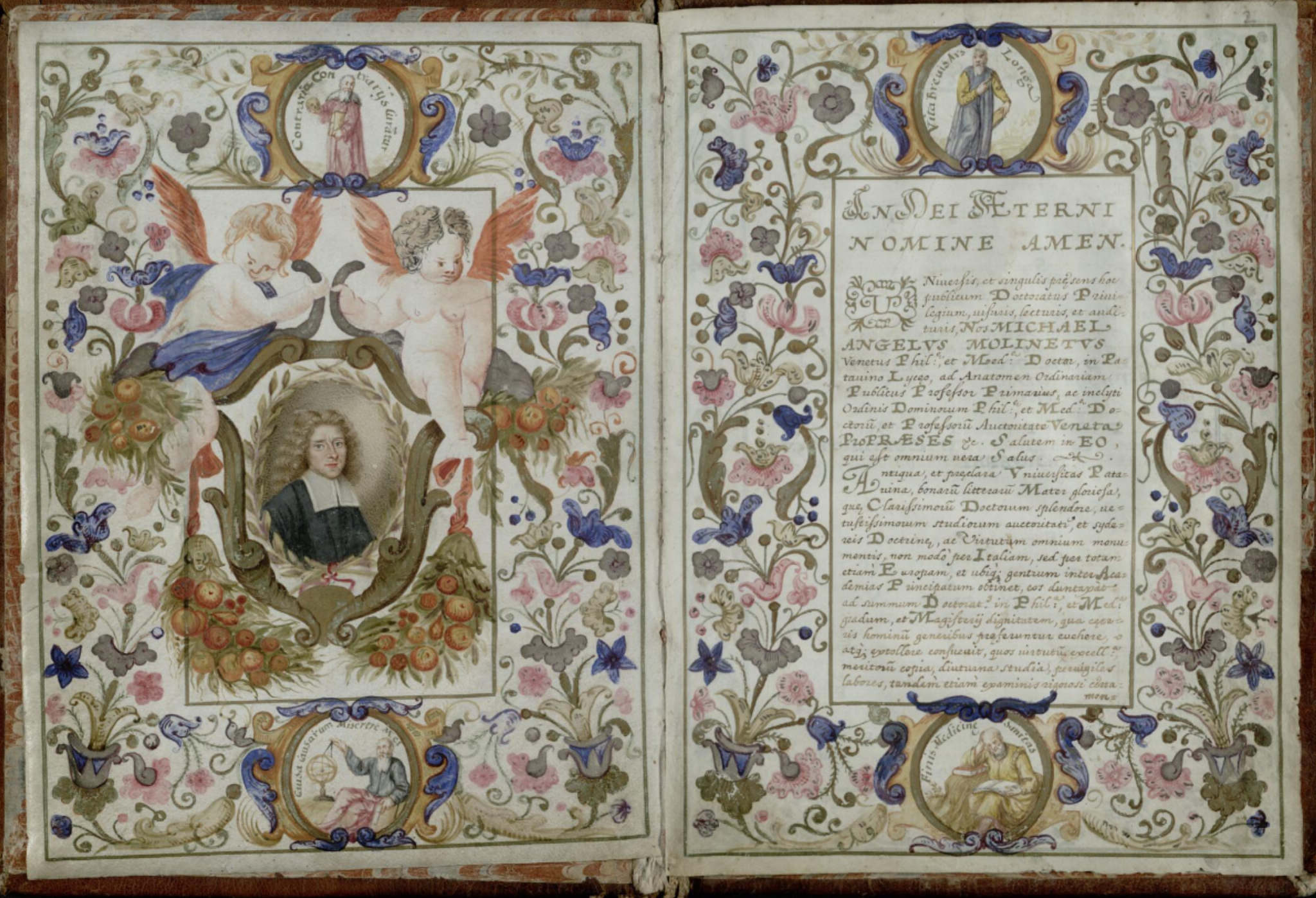
2014 Healing, Medicine, and Jews in the Early Modern World
Early modern healing and medicine continued medieval traditions and were simultaneously transformed as a result of radical scientific, religious, and social changes. Early modern scholars, pharmacists, medical doctors, and popular healers advanced significant arguments that drew from and shaped new understandings of human nature and subsequently altered the interactions between healing, religion, and society. Such changes afford a unique opportunity to discuss forms of Jewish interaction with Christian and Muslim societies and developments within Jewish learned and popular culture.
 2013
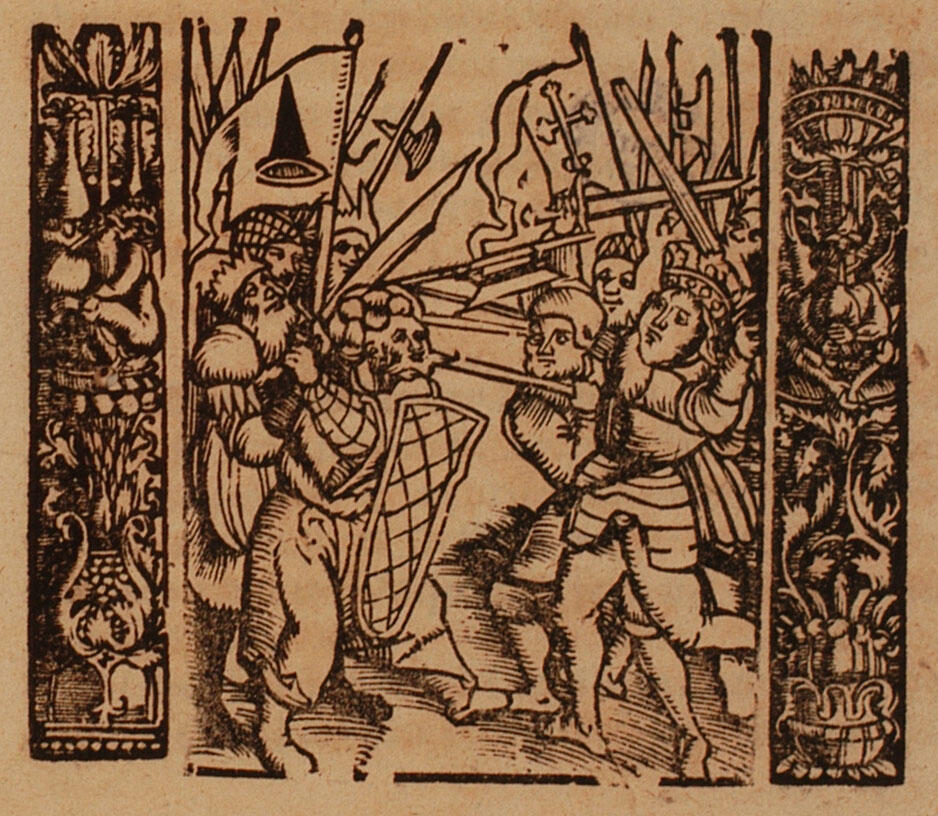
2013 Jews and Violence in the Early Modern Period
The 2013 Early Modern Workshop on “Jews and Violence in the Early Modern Period” sought to contextualize the violence involving Jews in the early modern period in order to understand this crucial aspect of their experience. Participating scholars tried to complicate not only the over-simplified notion of Jews as solely victims of violence in the premodern period, but also examined complexities of the question of Jews as victims of violence.
 2012
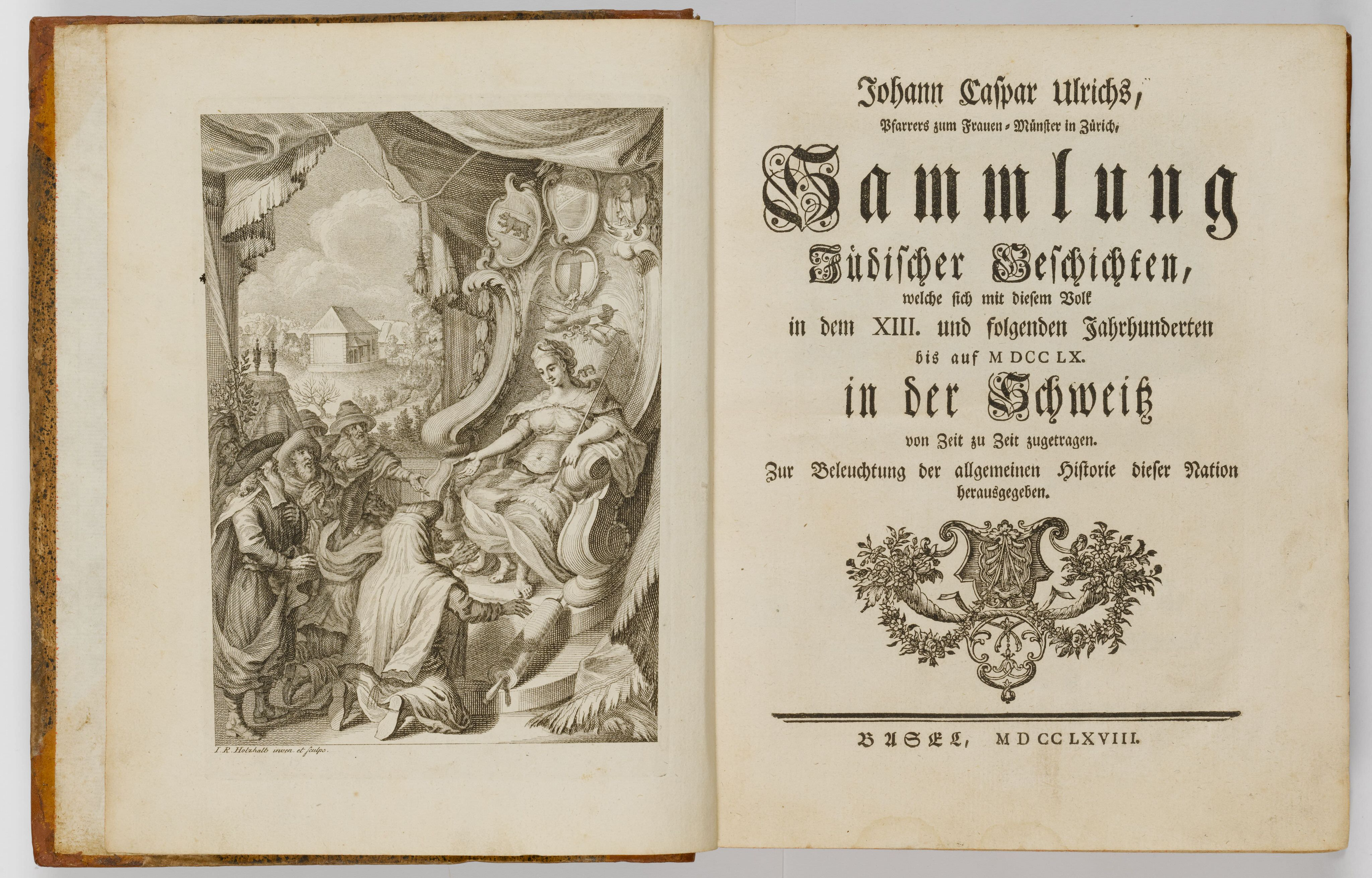
2012 Cross-Cultural Connections in the Early Modern Jewish World
The idea of the workshop is not to show how any single exchange altered the course of Jewish (or non-Jewish) cultural development, but rather what those exchanges can teach us about the ways in which Jews and non-Jews interacted, learned about each other's culture, and were changed as a result.
 2011
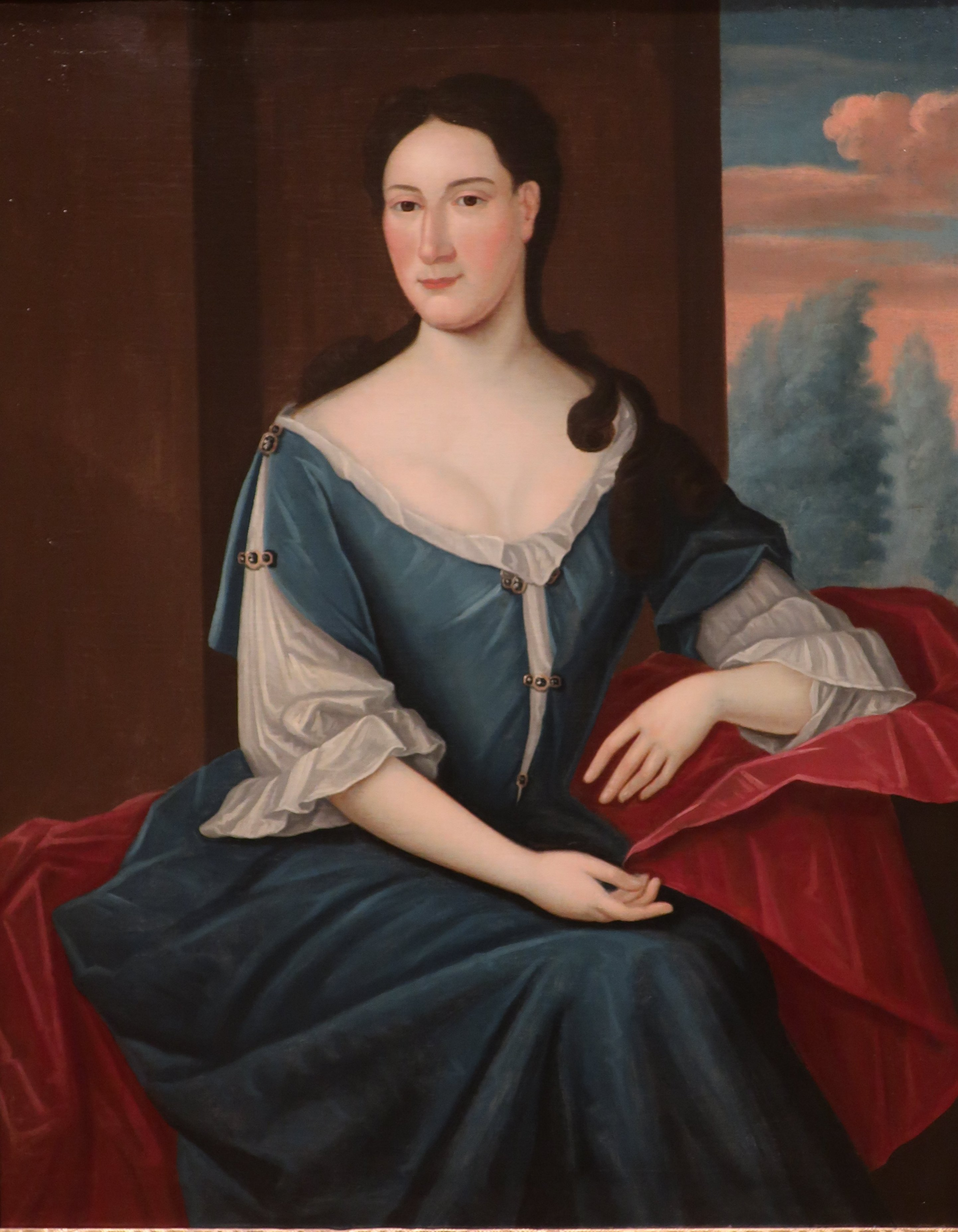
2011 Egodocuments: Revelation of the Self in the Early Modern Period
The 2011 Workshop focused on a genre, or genres of documents that aimed to help us understand how individuals in the early modern period wrote and thought about themselves.
 2010
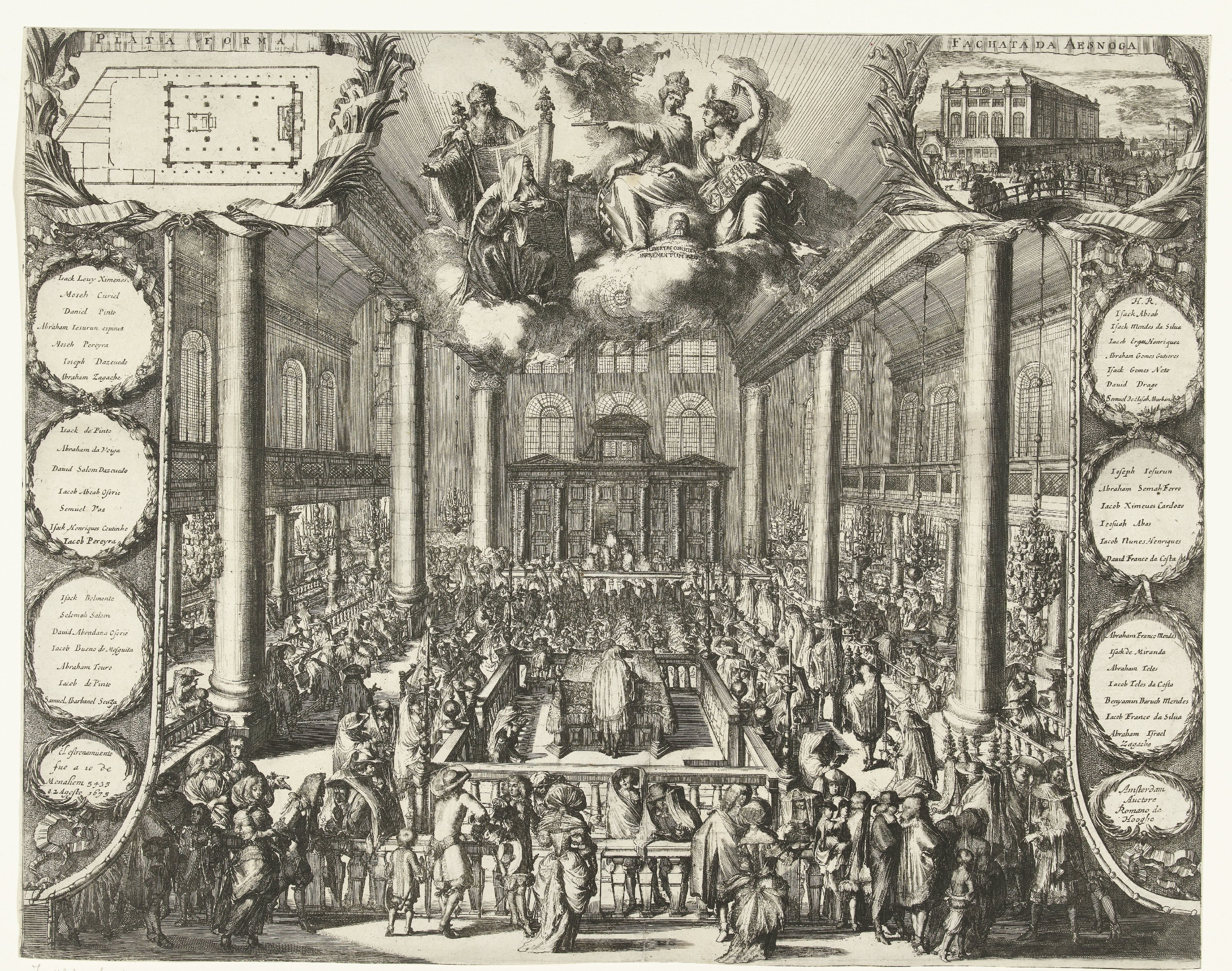
2010 Jewish Community and Identity in the Early Modern Period
The workshop aimed to understand different ways, formal and informal, in which Jews understood what a community meant, how they identified as a community, or communities, and fashioned their own identities in the early modern period.
 2009
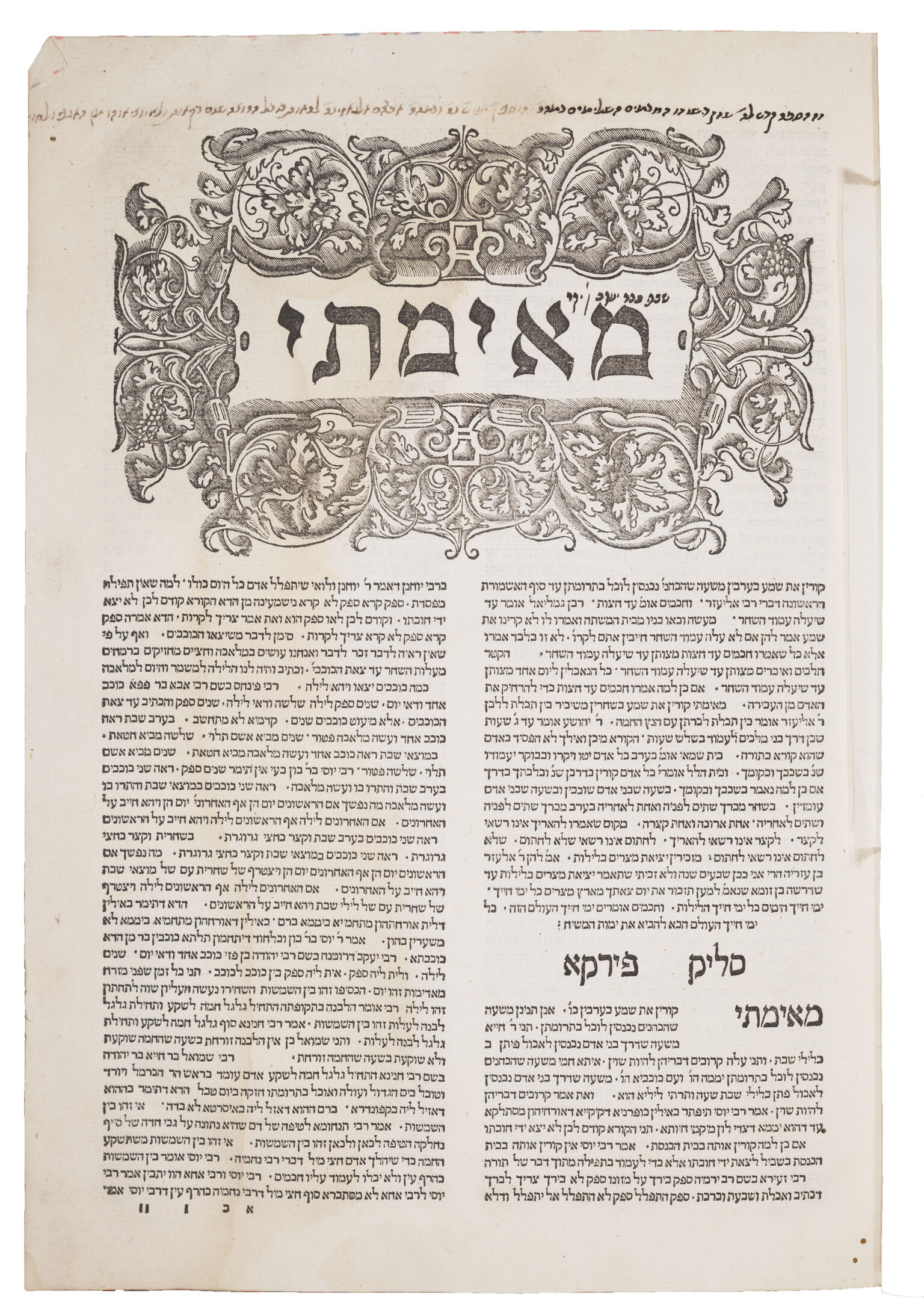
2009 Reading across Cultures: The Jewish Book and Its Readers in the Early Modern Period
The 2009 Early Modern Workshop discussed developments in reading within Jewish society, of the impact the Jewish book may have had on culture in early modern Europe among both Jews and Christians.
 2008
2008 Law--Continuity and Change in the Early Modern Period
Using both both an historical and a jurisprudential lens, the 2008 workshop explored what types of legal developments were characteristic of the early modern period. It addressed broader questions about historical changes within law, particularly, how law affects and is affected by historical developments.
 2007
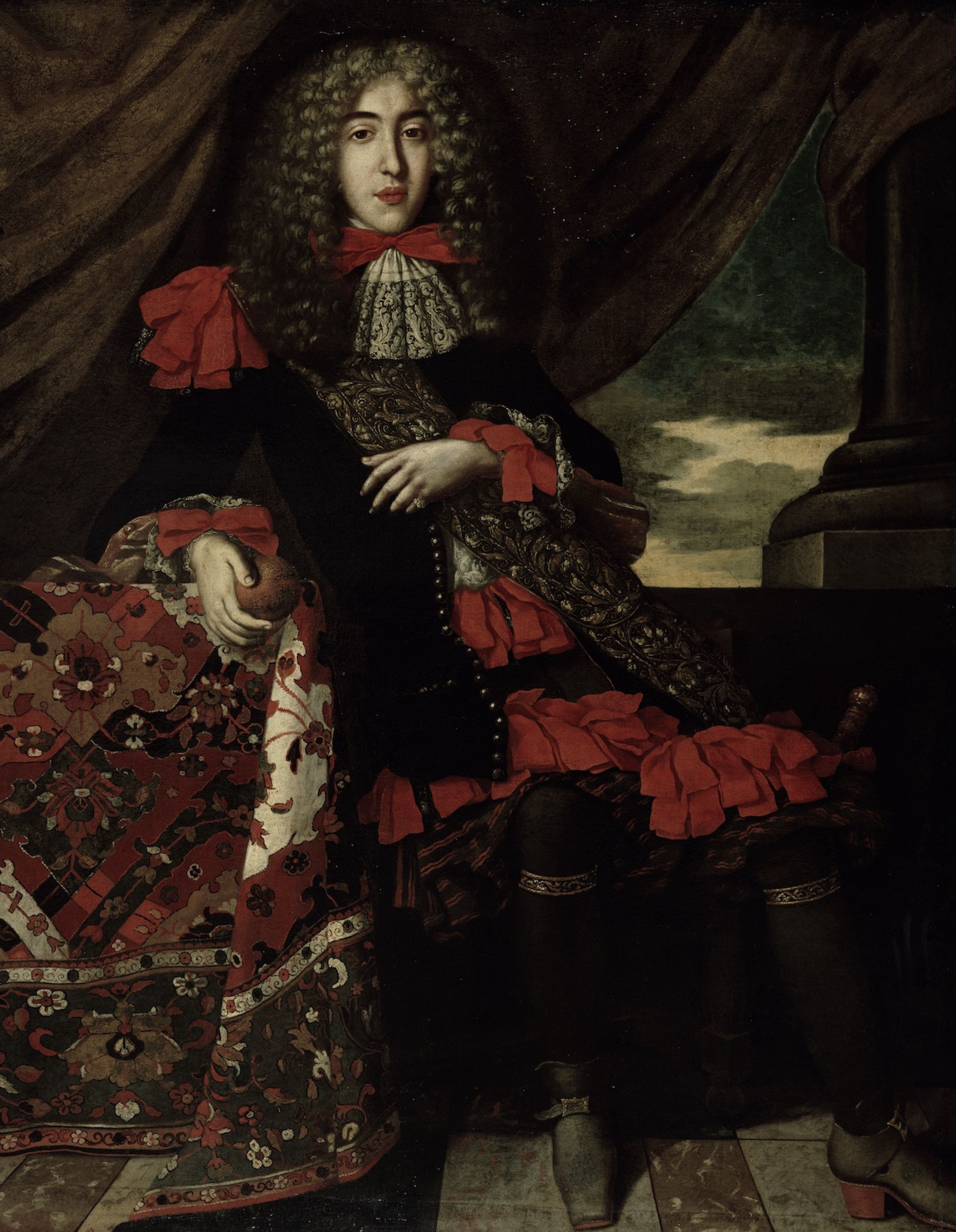
2007 Jewish Consumption and Material Culture in the Early Modern Period
The 2007 workshop explored questions about the role of material culture and consumption in early modern Jewish society.
 2006
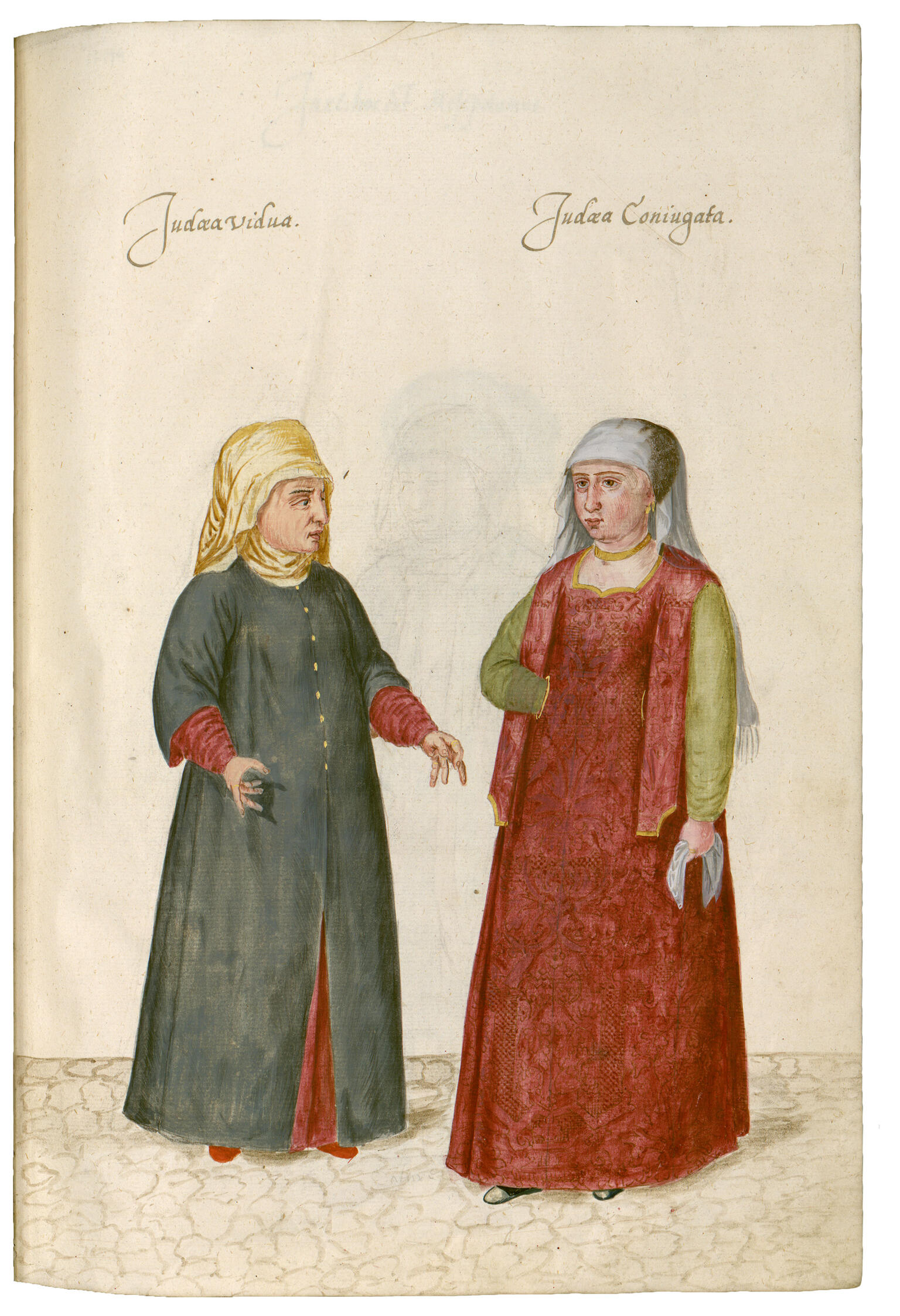
2006 Gender, Family, and Social Structures
The 2006 Early Modern Workshop on the topic of “Gender, Family, and Social Structures” addressed a spectrum of topics about the transformation of the concept and form of family in general, and of Jewish family in particular in the early modern period.
 2005
2005 Jews and Urban Spaces
The 2005 workshop addressed the complex interaction between Jews and their urban environment on various planes: physical and architectural, legal and jurisdictional, economic, social, and cultural.
 2004
2004 Early Modern Jewries
The first workshop’s goal was to look broadly at the early modern period, and develop a number of themes that might be pursued at subsequent workshops.